What Is Ecotherapy? Nature Therapy Explained
You have felt it, even if you never had a name for it. The way your shoulders drop a little on a trail. How a hard conversation goes easier on a walk than across a table. That first full breath at the edge of the ocean, the one that seems to reach lower than your usual breathing does. Something in you settles out there. It just does. And maybe you have wondered whether that settling is just a nice feeling, or whether it could be part of real healing.
It can be both. What you are sensing has a name, and a growing body of practice behind it. Ecotherapy, sometimes called nature therapy, is the intentional use of time in the natural world as part of the healing process. If you have been asking what ecotherapy and nature therapy really are, the short answer is this. It is real therapeutic work, guided by a trained professional, that happens with nature as a partner rather than a backdrop.
What ecotherapy is
Let us clear up the most common misconception first. Ecotherapy is not simply being told to go outside more. It is not a nice walk that happens to replace a session. It is a considered, clinically grounded approach that brings the therapeutic relationship into a natural setting, or brings nature into the work in deliberate ways. A licensed therapist still holds the frame. Nothing changes there. The goals are still your goals. What changes is the room. Instead of four walls, the setting might be a quiet trail, a garden, a stretch of coastline, or a patch of green under an open sky.
That shift is not decorative. The environment itself becomes part of how the work unfolds.
Why therapists are paying attention
So why are more therapists taking nature seriously as a healing space. Part of the answer lives in the nervous system. For many people, natural settings seem to help the body downshift out of its usual state of alert. The pace slows. The senses widen. Breathing deepens, and it does so without any effort at all.
There is also something about attention. Modern life keeps our focus narrow and effortful, locked onto screens, tasks, and the next demand. Natural environments invite a softer, more open kind of attention, the sort that can feel restful rather than draining. Many people find that this gentle shift makes it easier to think, to feel, and to say the thing that was hard to say indoors.
And there is the plain fact of how we live now. So much of daily existence happens inside. Under artificial light, at a desk, behind a windshield, inside a feed. A great deal of that keeps the body braced and the mind busy. Time in nature offers a counterweight, a reminder that you are part of something larger and older than your inbox. We explored this thread in our reflection on the connection between nature and healing, if you want to sit with the idea a little longer.
What it can look like in practice
Ecotherapy is not one fixed thing. Far from it. It takes many shapes, and a good therapist tailors it to the person in front of them.
Take walk-and-talk sessions. Movement and open air loosen something that a seated conversation can hold too tightly. For others, it involves mindful time in a natural setting, slowing down to notice texture, sound, light, and breath, letting the body remember what calm feels like. Sometimes it weaves in creative work, using natural materials or making art outdoors, so that inner experience finds a way to take shape. Somatic and body-based approaches often pair beautifully with all of this, since nature has a way of drawing us back into our senses.
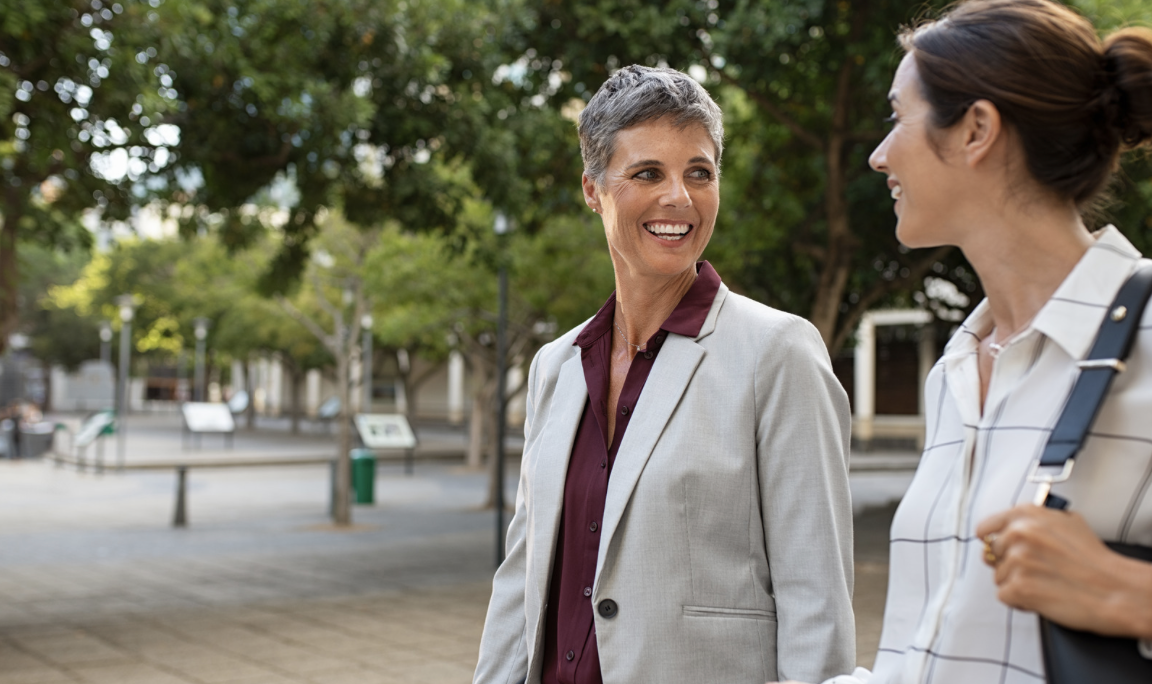
None of it requires you to be outdoorsy. You do not need to hike, or be fit, or know the names of the trees. You only need a willingness to be present somewhere alive.
Who it tends to help
Ecotherapy tends to resonate with people who feel penned in by their routines, who sense that talk alone leaves something untouched, or who simply feel most like themselves under an open sky. It can support those moving through anxiety, low mood, grief, burnout, or a season of transition. The range is wide. Here in the Los Angeles and Malibu area, where the coast and the canyons sit so close at hand, weaving nature into the work feels less like a novelty and more like coming home to an obvious resource.
It fits naturally inside a whole-person approach, alongside individual therapy, art therapy, somatic work, and mindfulness. It belongs there. Not as a gimmick. As one more doorway into the same goal, a life that feels more grounded, more connected, more your own.
An honest word
A gentle word of honesty belongs here. Ecotherapy is not a cure, and it is not a replacement for other forms of care when those are needed. It is not a quick fix, and no responsible therapist would frame it as one. What it offers is another meaningful path, one that many people find unexpectedly powerful precisely because it does not feel like effort. Sometimes healing arrives most easily when we stop chasing it and let a wider world help carry it.
At times the work still asks something of you. Feeling more can be tender, even outdoors in the sun. That tenderness is often a sign that something real is moving.
A gentle next step
If any part of you leaned toward the window while reading this, that pull is worth honoring. Your longing for open air and steadier ground is not a distraction from the work. It is data. It may be pointing straight at it.
When you feel ready, we'd love to be part of your journey. You are warmly invited to reach out and schedule a free 15-minute consultation, a low-pressure way to explore whether a nature-based approach feels right for you. No rush. No pressure. Just a first quiet step, taken whenever you are ready.